Why Antioch
Antioch sits in far East Contra Costa County at the western edge of the Sacramento-San Joaquin Delta, between Pittsburg to the west and Brentwood to the south, with Hwy 4 and Lone Tree Way carrying traffic to the rest of the East Bay. It is the largest of the far East County cities, with a population around 116,000, and the lowest single-family entry point in central Contra Costa. That last fact is the draw, but it is a city-wide average, and Antioch's averages are unusually wide. Take the schools: Antioch Unified School District covers K-12 (14,884 students across 25 schools, six of them high schools) and performs in the lower half of California, yet the same district runs Dozier-Libbey Medical High, an application-based magnet you apply to rather than zone into by address, which ranks U.S. News #237 in California. Two very different outcomes under one district name. Commute planning centers on Hwy 4 and the eBART terminus at the Antioch Pittsburg Center Station, where the BART extension into Antioch connects to the wider BART system.
Lily has 2 documented Antioch closings, both in the central mid-tier band: 5233 Sungrove Way at $705K (February 2024) and 5470 Benttree Way at $700K (August 2023). That band is only one slice of the range. Antioch single-family typically runs $500K to $750K for the older central tracts, $650K to $1.0M for the newer master-planned subdivisions (whole neighborhoods built to a single plan, such as the Mira Vista Hills, Lone Tree, and Sand Creek areas), and $900K to $1.4M for the premium golf-course, Delta-front, and hillside-view properties. Townhomes and condos start around $350K to $600K. From a $350K condo to a $1.4M waterfront home under one city name, the price tracks the tract, the age of the home, and the school it feeds far more than the Antioch label. The two constraints that hold that low central-county pricing down, the school-district tier and the Hwy 4 commute, are the same two things a specific address either escapes or does not. The Antioch housing market rewards that homework: single-family runs from roughly $500K in the older central tracts to $1.4M for Delta-front and hillside-view homes, so the parcel and the school it feeds do far more work than the city label.
A short history of Antioch
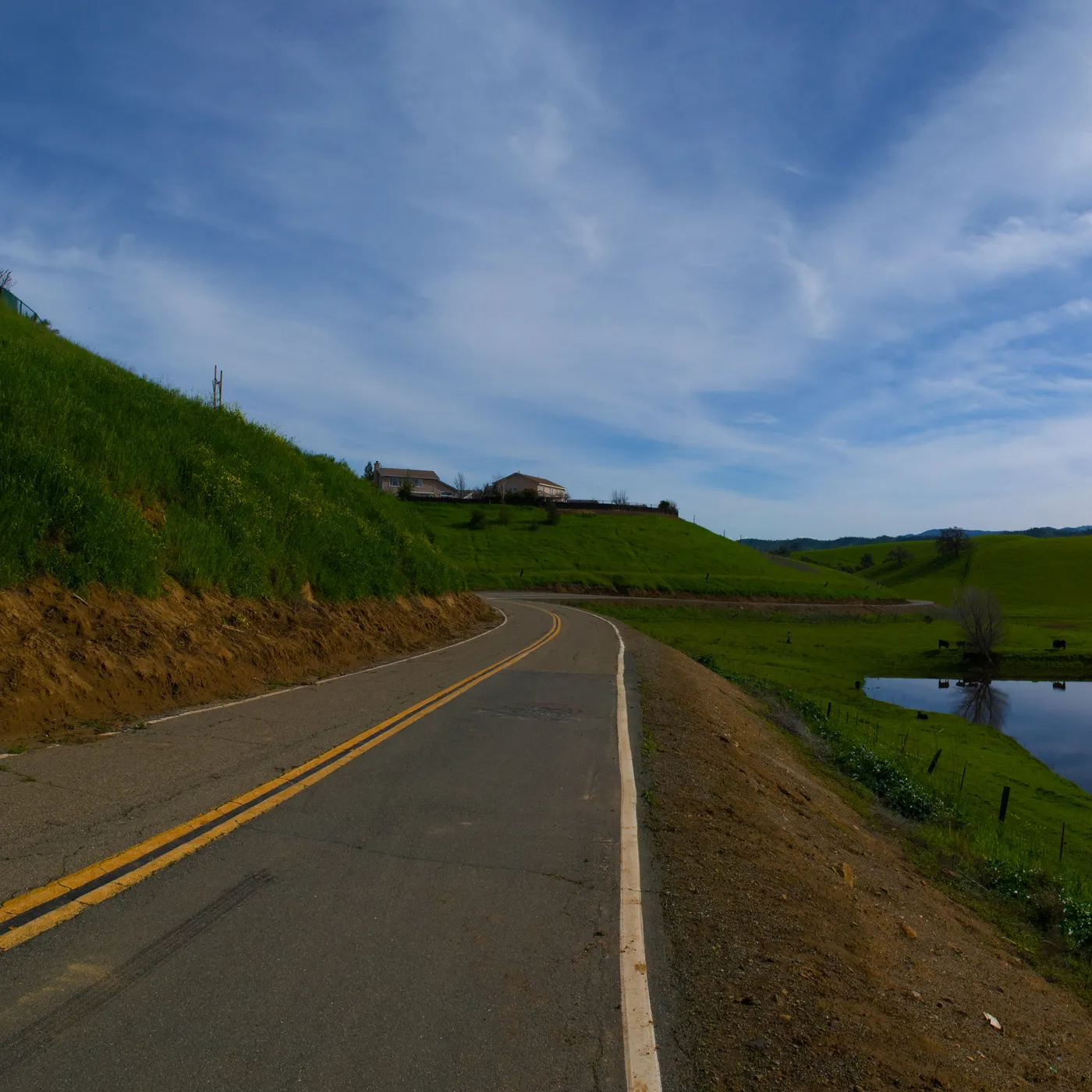
Antioch sits along the San Joaquin River in Contra Costa County, in the far East Bay of the San Francisco Bay Area. The settlement began in 1848, when John Marsh built a river landing known as Marsh's Landing, and in 1849 twin brothers, the Reverends William Wiggins Smith and Joseph Horton Smith, arrived from Boston, purchased land, and laid out a town nearby. At a July 4, 1851 celebration the residents adopted the name Antioch, after the ancient biblical city. The community was incorporated as a city on February 6, 1872.
The early economy centered on shipping and ranching, and the discovery of coal in the surrounding hills around 1859 gave rise to nearby mining towns such as Nortonville, Somersville, and Stewartville. In more recent decades Antioch has grown as a Bay Area commuter community, and the Antioch BART station opened in May 2018, extending regional rail service to the area.
Source: Wikipedia: Antioch, California.
Antioch by the numbers
A neutral demographic snapshot from the most recent U.S. Census Bureau American Community Survey. These are city-wide figures; individual neighborhoods and parcels vary.
| Measure | Value |
|---|---|
| Population | 115,759 |
| Median age | 38.1 years |
| Median household income | $94,256 |
| Homeownership rate | 63.5% |
| Median home value (owner-occupied) | $607,400 |
| Median gross rent (monthly) | $2,241 |
| Average commute to work (one way) | 43.3 minutes |
| Average household size | 3.10 people |
Source: U.S. Census Bureau, American Community Survey 2019-2023 5-year estimates, Antioch city, California.
The Antioch market right now
| Median sale price | $600,000 |
|---|---|
| Days on market | 20 |
| Homes for sale (inventory) | 165 |
| Homes sold | 79 |
| Sale-to-list | 101% |
Data: Redfin, May 2026
For broader Bay Area context behind the Antioch numbers, read the current Bay Area market note.
What this means for you (May 2026)
At 101% sale-to-list, Antioch homes sold close to asking in May, and 165 active listings give you enough selection to compare across neighborhoods and price points. The median 20 days on market leaves a reasonable window for showings and inspections without rushing. At this pace and price range, buyers regularly negotiate closing-cost credits from sellers.
Property taxes in Antioch
In Antioch, property tax begins with Contra Costa County's 1% base under Proposition 13 (California's 1978 cap on the base tax at 1% of assessed value), plus voter-approved bonds. On a representative single-family bill in Antioch (FY 2024-25), the total ad valorem rate (the part charged against assessed value) is 1.0505%, and the effective rate runs about 1.20%.
The largest flat charge is DIABLO Z3 SWR CHG at $479.14, billed by Delta Diablo for sewer. It is followed by ANTIOCH USD 2024 $85.47, an ad valorem school bond; ANTIOCH LANDSCAPE $76.00; and FED STORMWATER A-1 $25.00. Special assessments total $614.45, with no Community Facilities District (CFD) line on this parcel.
This southeast Antioch parcel carries no CFD, but some newer Antioch tracts do carry a Mello-Roos CFD (an extra tax that funds a development's own infrastructure). See the Mello-Roos guide, how California property tax works, and the true monthly cost calculator. Figures come from a representative single-family county bill (FY 2024-25); every parcel differs, so check the actual bill for any home you are weighing. Compare all 38 cities side by side on the Bay Area property tax map. This is educational, not tax or legal advice; confirm any figure with a qualified tax professional and the county assessor before relying on it.
Schools (Antioch Unified School District)
Antioch Unified School District (AUSD, K-12) serves 14,884 students across 25 schools (6 high schools); the district performs in the lower half of California. Dozier-Libbey Medical High School (U.S. News #237 Californiaapplication-based magnet, 697 students) is the district's highest-rated school by a wide margin; Deer Valley HS (#870 California1,804 students) and Antioch HS (#1,236 California) are the larger comprehensive options.
Dozier-Libbey is application-only and outperforms the comprehensive AUSD high schools by a wide margin. For non-Dozier-Libbey addresses, traditional Deer Valley HS is the better-ranked comprehensive default. According to the California School Dashboard state accountability results, the comprehensive Antioch Unified School District (AUSD) high schools rank in the lower half of California; confirm the current rating against the Dashboard before relying on it. Buyers prioritizing top-quartile California academics often compare Brentwood (Liberty Union High School District, or LUHSD, Heritage HS) or Discovery Bay and Oakley as alternatives at modestly higher per-square-foot prices.
Typical assignment by sub-area
| Sub-area | Elementary feeders | Middle | High |
|---|---|---|---|
| Lone Tree / Mira Vista Hills / Sand Creek (south, newer) | Mno Grant / Lone Tree | Black Diamond Middle | Deer Valley High |
| Central Antioch (older tracts) | Sutter / Belshaw / John Muir | Park Middle | Antioch High |
| North / waterfront (near Delta) | Marsh / Carmen Dragon | Antioch Middle | Antioch High |
| East Antioch (near Oakley border) | Sutter / Belshaw | Black Diamond Middle | Deer Valley High or Live Oak HS |
| Dozier-Libbey magnet (application district-wide) | n/a (application-based) | n/a | Dozier-Libbey Medical High |
Dozier-Libbey Medical HS is application-based district-wide, not boundary-based. The comprehensive AUSD high school by address splits between Deer Valley HS (south / east, the higher-ranked) and Antioch HS (central / north / waterfront, the lower-ranked). Lily verifies the exact assignment with the AUSD registrar before any offer.
Highlight schools
- Dozier-Libbey Medical High School (AUSD, 9-12, ~697 students), U.S. News #237 California; application-based magnet; medical-careers focus; the district's standout academic option.
- Deer Valley High School (AUSD, 9-12, ~1,804 students), U.S. News #870 California; the higher-ranked of the two comprehensive AUSD high schools; south / east Antioch attendance.
- Antioch High School (AUSD, 9-12), U.S. News #1,236 California; the central / north / waterfront comprehensive.
- Black Diamond Middle School (AUSD, 6-8), the south Antioch middle feeder; feeds Deer Valley HS.
Sources: Antioch Unified School District; PublicSchoolReview AUSD; U.S. News Deer Valley HS; U.S. News Dozier-Libbey.
Hospitals and birthing centers
Antioch has two in-city L&D options: Sutter Delta Medical Center (3901 Lone Tree Way) and Kaiser Permanente Antioch Medical Center (Deer Valley + Delta Fair locations). Sutter Delta is the only not-for-profit hospital in east Contra Costa. For Level III NICU referral (only Level III in Contra Costa County), John Muir Walnut Creek is the regional destination (~25-35 min via Hwy 4).
| Hospital | Network | Drive time from Antioch | Key services |
|---|---|---|---|
| Sutter Delta Medical Center | Sutter (PPO) | 5 min (in-city) | Family Birthing Center; NICU support; only not-for-profit hospital in east Contra Costa; flagship east Contra Costa hospital |
| Kaiser Permanente Antioch Medical Center | Kaiser (closed) | 5-10 min (in-city) | Full Kaiser L&D + NICU at Deer Valley + Delta Fair locations |
| John Muir Medical Center Walnut Creek (Level III NICU referral) | John Muir (PPO) | 25-35 min via Hwy 4 | Regional Level III NICU (only one in Contra Costa County); Level II Trauma Center |
| Kaiser Permanente Walnut Creek Medical Center | Kaiser (closed) | 25-35 min | Alternative Kaiser L&D for Antioch Kaiser members preferring Walnut Creek |
Birthing centers: what matters
Sutter Delta is the default in-city PPO L&D for Antioch: 5 minutes from most Antioch addresses, Family Birthing Center with NICU support, the only not-for-profit hospital in east Contra Costa. Same hospital pool as the Brentwood page.
Kaiser members in Antioch go to Kaiser Antioch: in-city Kaiser facility at Deer Valley + Delta Fair locations. Full L&D + NICU.
For Level III NICU needs (high-risk pregnancy, premature delivery below 32 weeks, or any need for the highest-level newborn intensive care in Contra Costa County), John Muir Walnut Creek is the regional destination. 25 to 35 minutes via Hwy 4 / 242 (rush-hour adds significant time).
Hospital network coverage depends on your insurance plan. Lily does not advise on medical coverage decisions; for in-network confirmation contact your insurer directly. Hospital information above is current as of 2026-05-28 and should be re-verified with each hospital's admissions office before relying on it for a major life decision.
Sources: Sutter Delta Medical Center; Sutter Delta Birth Center; Kaiser Antioch L&D; John Muir Walnut Creek; California Perinatal Quality Care Collaborative NICU Directory.
Crime, hazards, and ratings
Antioch carries higher-than-average crime exposure, carries moderate flood exposure along the local creek corridors, with elevated fire hazard in hillside tracts relative to the broader Bay Area. School ratings reflect the local district's performance bands.
| Category | Rating | Detail |
|---|---|---|
| Crime | property and violent crime both above California average; concentrated in the Sycamore/Hillcrest corridors | |
| Flood | Zone X over most upland tracts; Zone AE/AO along Marsh Creek and the San Joaquin River Delta frontage; significant tracts in northeast Antioch in SFHA | |
| Fire | Moderate to High in the southern foothills (Empire Mine Rd, Sand Creek, Black Diamond Mines approaches); approximately 83% of Antioch buildings are in wildfire-risk tracts per ClimateCheck | |
| Earthquake | Greenville Fault about 8 miles southwest; Concord Fault about 12 miles west; Calaveras Fault about 18 miles west; liquefaction: Moderate to High along the San Joaquin River frontage; Low to Moderate in upland tracts |
School ratings
Numeric snapshots for the highlight schools above:
| School | GreatSchools | Niche |
|---|---|---|
| Antioch High | 4 | C+ |
| Deer Valley High | 5 | B |
| Dozier-Libbey Medical High | 8 | A- |
Environment and infrastructure
Beyond the natural-hazard ratings above, these are the environmental and infrastructure factors buyers ask about most. Each is a city-level summary; confirm the exact parcel before any offer.
| Factor | Detail |
|---|---|
| Gas transmission pipelines | PG&E gas transmission lines serve eastern Contra Costa County and PHMSA's National Pipeline Mapping System shows transmission and petroleum-related segments in the Antioch/Pittsburg industrial corridor along the river. NPMS alignments are approximate and exclude local distribution mains, so proximity to a specific property should be confirmed via the NPMS viewer or PG&E. |
| Noise (freeway, rail, flight paths) | Antioch's main noise sources are the CA-4 (Highway 4) corridor, which was widened to eight lanes through the city, the eBART extension running in the SR-4 median to the Antioch and Hillcrest stations (revenue service since 2018), and BNSF/Union Pacific freight rail through the riverfront industrial belt. The combined SR-4/eBART corridor is the dominant noise feature. |
| Refineries and heavy industry | Antioch is at the eastern end of the county, roughly 12 to 15 miles east of the Martinez refineries and outside their shelter-in-place zone, but it sits within its own riverfront industrial corridor shared with neighboring Pittsburg (chemical, power-generation and manufacturing plants). The dominant local industrial exposure comes from this Antioch/Pittsburg waterfront belt rather than from the Martinez refineries. |
| Soil and groundwater contamination | The Antioch/Pittsburg riverfront has a long industrial history and numerous documented soil and groundwater cleanup sites tracked in SWRCB GeoTracker and DTSC EnviroStor, concentrated along the San Joaquin River industrial belt. Site-specific status varies, so any given parcel, especially near the waterfront, should be checked against GeoTracker by address. |
| Air quality and wildfire smoke | Antioch carries an elevated pollution burden in parts of the city tied to the riverfront industrial corridor, freeway traffic and regional sources, and eastern Contra Costa is prone to summer ozone plus regional wildfire smoke. BAAQMD and AirNow provide current conditions and CalEnviroScreen scores pollution burden by census tract. |
| Wildfire zone and power shutoffs (PSPS) | Antioch has substantial grassland and wildland-urban-interface fire exposure on its southern and eastern urban edges, with CAL FIRE Fire Hazard Severity Zone acreage and a documented history of fast-moving grass fires (including repeated burns in the open lots near the eBART maintenance yard and Highway 4 corridor in 2024 and 2025) and PG&E Public Safety Power Shutoff exposure. Exact zone designation for a parcel should be checked on the CAL FIRE FHSZ viewer. |
| High-voltage power lines | The Antioch riverfront hosts PG&E's 530 MW Gateway Generating Station (3225 Wilbur Avenue) with its own plant substation and interconnecting transmission line, and the broader Antioch/Pittsburg shoreline carries additional gas-fired generating stations (Los Medanos Energy Center, the former Pittsburg Power Plant) feeding high-voltage transmission corridors and the PG&E Pittsburg Substation. Exact corridor and substation proximity to a specific residential neighborhood should be confirmed on PG&E or CPUC mapping. |
| Sea level and shoreline flooding | Antioch's northern edge along the San Joaquin River and the Sacramento-San Joaquin Delta is low-lying and has documented flood and sea-level-rise exposure under NOAA, BCDC and Delta Stewardship Council scenarios, with surrounding Delta levees identified as at risk. The southern uphill neighborhoods are not exposed; riverfront parcels should be checked against the NOAA Sea Level Rise Viewer and FEMA flood maps. |
These are city-level summaries from public agencies and are approximate. Pipeline and power-line alignments, contamination parcels, and wildfire zones can differ block by block; verify the exact address with the agency tools linked above and your inspections before you write an offer.
Sources: PHMSA National Pipeline Mapping System; DTSC EnviroStor; State Water Board GeoTracker; EPA Superfund; BAAQMD air data; CAL FIRE Fire Hazard Severity Zones; PG&E PSPS maps; NOAA Sea Level Rise Viewer
Hazard ratings are city-level aggregates from public agencies (FEMA, CAL FIRE, USGS). Specific addresses can carry materially different risk; verify the exact parcel via the FEMA Flood Map Service Center, the CAL FIRE FHSZ viewer, and your insurance carrier before any offer. School ratings vary by year and by metric; the numbers above are point-in-time snapshots, treat them as a starting point and re-verify with the district registrar.
Sources: CrimeGrade.org (crime); FEMA Flood Map Service Center (flood); CAL FIRE FHSZ viewer (fire); USGS earthquake hazards (earthquake); GreatSchools + Niche (school ratings).
Track Record
2 documented Antioch closings, $1.4M local volume. Career-wide: 104 documented closings, $115M+ in total volume, with 91 of 104 on the buyer side, 10 closings in the last 12 months, career range $323K to $3.3M, 5.0-star Zillow average across 38+ reviews. The full transaction record for every Bay Area city Lily has closed in is summarized at the cities index.
Ready to talk about Antioch? Call or text me at 415-910-3958 for a free 30-minute consultation.
104 transactions · $115M+ · 5.0★ Zillow · Cal DRE #02010731
What buying a home in Antioch actually involves
Same fiduciary discipline as on every Lily Garipova representation: read every disclosure end-to-end, model the carrying cost (mortgage + property tax + HOA + insurance), walk the property at multiple times of day, and stay willing to walk you away from a property that does not pencil. Antioch-specific particulars are covered in the FAQ below; the AUSD high school assignment by address (Deer Valley HS vs Antioch HS vs application-based Dozier-Libbey magnet) and the Hwy 4 commute math are the two highest-leverage pre-offer factors.
What selling a home in Antioch involves
Strategic Listing Model applied to Antioch: data-driven comp analysis of the specific Antioch sub-area (central older tracts vs Lone Tree / Mira Vista Hills / Sand Creek newer master-planned vs premium golf-course / Delta-front is a $300K to $700K price-spread per comparable square footage), pre-listing prep with positive-ROI improvements only, professional staging targeted to the East County entry-level buyer segment, multi-platform marketing with active bid management, and honest disclosure of every defect.
The Meticulous Protector, applied to Antioch
The methodology behind Lily's 38+ five-star Zillow reviews and her strong repeat-and-referral business: read every disclosure line, verify every claim, model every carrying cost, walk every property in person before recommending an offer, and document the ethical "no" when the math says no. The Antioch version of that methodology is the same as the Dublin version, the Pleasanton version, the Walnut Creek version, and every other city Lily represents, the discipline does not change by city.
Antioch FAQ
What are Antioch price ranges in 2026?
Antioch single-family typically runs $500K to $750K for the older central tracts, $650K to $1.0M for the newer master-planned subdivisions (Mira Vista Hills, Lone Tree, Sand Creek area), and $900K to $1.4M for the premium golf-course / Delta-front / hillside view properties. Townhomes and condos run $350K to $600K. The February 2024 Sungrove Way closing at $705K and the August 2023 Benttree Way closing at $700K are both representative of the central / mid-tier single-family band.
Antioch vs Brentwood vs Pittsburg?
Antioch is the largest of the far East County cities and the lowest single-family entry point in central Contra Costa per square foot. Brentwood is newer (more master-planned subdivisions), with BUESD + LUHSD school stack (Heritage HS at #386 California is the LUHSD flagship), and 10 to 15% higher per-square-foot. Pittsburg is to the west, slightly higher pricing than Antioch, with Pittsburg USD K-12 (mid-tier statewide). All three share the Hwy 4 commute constraint and the eBART access via Antioch Pittsburg Center Station.
Is Dozier-Libbey worth the application?
If your student is academically motivated and interested in medical careers, yes, very much. Dozier-Libbey Medical High School ranks U.S. News #237 California (top 10% statewide), substantially higher than the comprehensive Deer Valley HS (#870) or Antioch HS (#1,236). The medical-careers focus opens early healthcare-pathway opportunities. Application is district-wide, not boundary-based, so any Antioch student can apply. The school is small (697 students) so admission is competitive.
Does Lily Garipova speak Russian for Antioch transactions?
Yes. Russian is Lily's native language. Lily represents Russian-speaking buyers and sellers in Antioch and the broader far East Contra Costa in either English or Russian. Russian-language Antioch page: lilygaripova.com/ru/antioch-realtor/.
What is the eBART Antioch terminus and how does it work?
The eBART Antioch station (the line's eastern terminus) is at Hillcrest Avenue and East 18th Street, north of Hwy 4. eBART is a diesel-multiple-unit service that runs from Antioch to the Pittsburg/Bay Point BART station, where riders transfer (no cross-platform) to standard BART for the rest of the system. Antioch to Embarcadero is roughly 75 to 90 minutes end-to-end including the Pittsburg/Bay Point transfer. The Antioch lot has roughly 1,000 spaces but fills by 7:30am weekdays; arrive earlier or use Hillcrest area secondary parking.
What are the major Antioch master-planned subdivisions?
The dominant Antioch master-planned segment runs along Lone Tree Way and Sand Creek Road in south and east Antioch, including Mira Vista Hills (2000s-2010s build, $700K to $1.0M), Lone Tree Estates and Sand Creek tracts ($650K to $950K), and the older 1980s-90s tracts in central and north Antioch ($550K to $750K). The premium golf-course tier sits at Lone Tree Golf Course and Roddy Ranch ($900K to $1.4M). Most newer subdivisions feed Deer Valley High via Black Diamond Middle.
What is the downtown Antioch waterfront like?
Downtown Antioch sits along the San Joaquin River waterfront at the foot of A Street, with the Antioch Marina, the Rivertown Historic District, and the Antioch Bridge crossing to Sherman Island and Sacramento County. Older central Antioch single-family inventory (pre-1970, $500K to $700K) sits within walking distance. The downtown has been undergoing slow revitalization; expect a mix of historic Victorian and Craftsman housing stock with the inspection considerations that come with pre-1950 wiring and plumbing. For waterfront-lifestyle buyers willing to absorb older-systems risk, the Rivertown comp band is meaningfully below south Antioch master-planned.
What is Antioch crime really like in 2026?
Antioch carries higher-than-average crime exposure (CrimeGrade D for property and violent), concentrated along the Sycamore Drive, Hillcrest Avenue, and the older central / north Antioch corridors. South Antioch master-planned subdivisions (Mira Vista Hills, Lone Tree, Sand Creek) score materially better than the city-wide average. Walk the property at multiple times of day (morning, evening, weekend) before any offer, and pull the neighborhood-specific crime overlay rather than relying on the city-wide rating. The city-wide number is genuinely worse than Brentwood or Pittsburg, but the south-Antioch subdivisions are not.
What is the Hwy 4 commute math from Antioch?
Hwy 4 westbound from Antioch to the Tri-Valley (Pleasanton, Dublin, San Ramon) is typically 40 to 55 minutes in morning rush hour. To downtown Walnut Creek and the I-680 corridor is 45 to 70 minutes. To downtown SF the practical option is eBART to Pittsburg/Bay Point then standard BART; total door-to-Embarcadero is typically 75 to 95 minutes. To downtown Oakland via car is 50 to 80 minutes peak. Remote-work and East-County-employer buyers can absorb the commute; daily SF / Peninsula commuters should run the math against the price advantage versus closer-in alternatives.
How are Antioch property taxes and Mello-Roos?
Antioch base property tax is the standard California 1.0% of assessed value plus county and city ad valorem overrides (voter-approved bond debt above the 1% base rate), typically 1.05 to 1.15% total before Mello-Roos (a Community Facilities District, or CFD, special tax); fixed-dollar parcel taxes, which are not a percentage of assessed value, can add further amounts on the same bill. Some south Antioch master-planned subdivisions (Mira Vista Hills, Lone Tree, Sand Creek area) carry Mello-Roos and some do not, so do not assume older central or north Antioch tracts are exempt; confirm per parcel. The Mello-Roos special tax varies tract to tract, so pull the current annual levy for the specific parcel and add it to the carrying-cost model before offer. The current annual levy is shown on the county property tax bill and disclosed in the seller Mello-Roos Notice of Special Tax; the recorded special-tax lien also appears on the preliminary title report, but the prelim shows only that the lien and tax formula exist, not the current dollar amount.
What about Antioch flood and fire hazard?
Antioch carries moderate flood exposure: Zone X over most upland tracts; Zone AE / AO along Marsh Creek and the San Joaquin River Delta frontage; significant tracts in northeast Antioch in SFHA. Fire hazard runs Moderate to High in the southern foothills approaching Black Diamond Mines Regional Preserve, the Empire Mine Road corridor, and Sand Creek hillside tracts. ClimateCheck reports approximately 83% of Antioch buildings sit in wildfire-risk tracts of some level. Pull the parcel-specific FEMA flood map and CAL FIRE FHSZ overlay before any offer.
How is Sutter Delta Medical Center for Antioch buyers?
Sutter Delta Medical Center at 3901 Lone Tree Way is the dominant in-city PPO destination for Antioch: 5 minutes from most Antioch addresses, Family Birthing Center with NICU support, the only not-for-profit hospital in east Contra Costa. Kaiser members go to Kaiser Antioch (Deer Valley Road and Delta Fair locations), full L&D plus NICU on closed network. For Level III NICU referral (only Level III in Contra Costa County), the destination is John Muir Walnut Creek, 25 to 35 minutes via Hwy 4 (rush-hour adds significant time).
Is Antioch USD really the weakest comprehensive-high school option in east county?
Among the three comprehensive AUSD high schools the spread is wide: Deer Valley HS (U.S. News #870 California, the better-ranked of the comprehensive options, south and east Antioch attendance), Antioch HS (#1,236, central / north / waterfront), Live Oak HS (smaller, east Antioch near Oakley). The standout is Dozier-Libbey Medical HS (U.S. News #237 California, application-only district-wide magnet, 697 students), which is competitive with mid-tier Bay Area public high schools. For buyers prioritizing a specialized medical magnet program, Dozier-Libbey reframes the Antioch K-12 calculation; for buyers relying on a comprehensive-by-address default, expect mid-tier.
What is the Antioch Sand Creek and Lone Tree commercial corridor?
The Lone Tree Way corridor is Antioch's primary retail and dining anchor, running east-west from Hillcrest Avenue past the Antioch Park / Slatten Ranch development and toward the Brentwood line. Sand Creek Road parallels to the south. The Streets of Brentwood lifestyle center is the nearest large mall (10 minutes east). Most south Antioch master-planned subdivisions sit within 5 to 8 minutes of the Lone Tree retail strip, including Sutter Delta Medical Center, the Antioch Costco at Hillcrest, and the Slatten Ranch shopping center. Walkability is car-dependent, but daily errands are short drives.
Should I worry about pre-1970 Antioch homes' wiring and plumbing?
Yes for any pre-1970 Antioch single-family, especially the central and north Antioch waterfront-adjacent stock. Knob-and-tube wiring is common in pre-1950 inventory; most major insurance carriers will not write HO-3 policies on active knob-and-tube, so budget $8K to $20K for a full rewire if the inspector flags it. Galvanized supply plumbing and cast-iron drain stack are routine in 1950s-60s tract; budget $5K to $15K for partial or full repipe depending on extent. Always inspect during contingency and confirm insurability before contingency removal.
What is the Antioch ADU and small-multifamily situation?
Antioch follows California ADU law (SB9, AB1033, AB976) and permits ADUs by-right on most single-family parcels. The older central and north Antioch tract lots (8,000 to 12,000 sf) can typically accommodate a detached 800 to 1,200 sf ADU. Small-multifamily 2-4 unit stock exists in central Antioch around the older Wilbur Avenue corridor and pockets of downtown / Rivertown, typically $700K to $1.1M depending on unit count and rent roll. For house-hacking and ADU-add buyers, Antioch's lower entry price plus larger central lots creates better cash-on-cash math than Brentwood.
What is the Antioch Bridge and Delta-frontage stock like?
The Antioch Bridge crosses the San Joaquin River from north Antioch to Sherman Island and Sacramento County. Delta-frontage Antioch single-family includes the Rivertown Historic District, the Lake Alhambra Estates area, and selected gated waterfront enclaves with private docks, typically $700K to $1.4M depending on water access. Levee and SFHA exposure is significant; FEMA Zone AE follows most water-adjacent parcels. For delta-lifestyle buyers (boat owners, fishing, paddleboard, jet ski) the segment delivers waterfront under $1M, a tier that does not exist in most of the Bay Area.
Should I worry about Antioch tap water?
Antioch's water supply has historically been a mix of Contra Costa Water District (CCWD) wholesale supply and local sources. The 2014-2015 drought period highlighted San Joaquin River salinity intrusion challenges for the city's pre-treatment plants; the city has since upgraded its brackish-water reverse-osmosis treatment plant (online 2022). Tap water in 2026 meets all California Title 22 standards, but taste reports vary by season and tract; a $300 to $600 whole-house carbon filter or under-sink RO system is common in newer subdivisions. Pull the most recent Consumer Confidence Report (CCR) for current data.
Antioch vs Oakley for a first home?
Oakley sits east of Antioch with single-family entry around $550K to $850K (slightly above Antioch entry), Oakley Union Elementary K-8, and Liberty Union HSD 9-12 (typically Freedom HS or Liberty HS). Oakley is newer (most stock 1995 to 2015 build), smaller, and lower-density than Antioch. For first-time buyers prioritizing newer construction and willing to absorb the longer Hwy 4 commute, Oakley pencils. For lowest absolute entry price with eBART access, Antioch wins. Both share the broader Hwy 4 commute constraint and east Contra Costa hospital pool.
What about Antioch new-construction inventory in 2026?
Active Antioch new-construction inventory in 2026 is concentrated in the Sand Creek Road corridor and a handful of infill east-Antioch projects near the Oakley border. Most builder spec went to Mountain House (San Joaquin County) and the Tri-Valley after 2015. New construction at Antioch-comparable pricing typically runs $700K to $1.1M for 2,200 to 3,200 sf floor plans. Verify Phase I environmental status, base property tax plus Mello-Roos in the CFD, HOA structure, and school assignment before contract sign.
How does Lily Garipova represent Antioch buyers specifically?
Lily reads every disclosure end-to-end (TDS, NHD, SPQ, HOA package, preliminary title, Mello-Roos disclosure), pulls the parcel-specific FEMA, CAL FIRE, and USGS overlays, models full carrying cost including base property tax plus Mello-Roos plus HOA, verifies the AUSD high school assignment (Deer Valley HS vs Antioch HS vs application-based Dozier-Libbey) with the registrar by parcel, drives the Hwy 4 commute with the buyer at their actual departure time, walks the property at multiple times of day, and stays willing to recommend walking from a deal that does not pencil. Free 30-minute initial consultation.
How does Lily Garipova represent Antioch sellers specifically?
Strategic Listing Model applied at the Antioch sub-area level: comp set drawn from the exact tract (central older versus south master-planned Mira Vista / Lone Tree / Sand Creek versus Rivertown Historic versus premium golf-course / Delta-front) rather than city-wide averages; pre-listing inspection with positive-ROI improvements only; staging targeted to the entry-level buyer segment dominant in Antioch; multi-platform marketing with active bid management; full disclosure preparation including Mello-Roos amortization. Bay Area closings in every year since 2017, $115M+ career volume.
How do I schedule an Antioch consultation with Lily Garipova?
Call or text 415-910-3958, or email lilyagaripova@gmail.com. Free 30-minute initial consultation by phone, Zoom, or in person at any Antioch address that works for you. Available in English and Russian. Cal DRE #02010731. The consultation walks through your specific buying or selling math: budget, timeline, AUSD school assignment (including Dozier-Libbey application timing if applicable), Hwy 4 commute, Mello-Roos exposure, mortgage pre-approval, and the realistic Antioch sub-area that fits.
What is Antioch's track record in Lily's portfolio?
Lily has 2 documented Antioch closings on $1.4M of local volume: 5233 Sungrove Way at $705K (February 2024) and 5470 Benttree Way at $700K (August 2023), both representative of the central / mid-tier single-family band. Career-wide: 104 documented closings, $115M+ in total volume, 91 of 104 buyer-side, closings in every year since 2017, career range $323K to $3.3M, 5.0-star Zillow average across 38+ reviews. The Antioch closings reflect the entry-level segment that drives a large share of the city's transaction volume.
What about insurance availability for Antioch homes?
Antioch flatland and master-planned parcels (Mira Vista Hills, Lone Tree, Sand Creek) generally remain insurable on standard HO-3 policies in 2026 (State Farm, Farmers, Allstate, USAA typically writing). Hillside parcels along Empire Mine Road, Sand Creek hillside, and the Black Diamond Mines Regional Preserve frontage face the same statewide California wildfire underwriting pressure; some carriers are non-renewing. FAIR Plan plus DIC wrap is the fallback. Always obtain a binding insurance quote in writing before contingency removal.
How has Antioch priced over the trailing 12 months?
Antioch single-family median has been roughly flat to up low-single-digits over the trailing 12 months ending mid-2026, with south master-planned subdivisions slightly outperforming and older central / waterfront tracts flat to mildly negative. Condo / townhome segment is flat, reflecting steady entry-level demand. Days-on-market has lengthened versus the 2021-2022 peak; well-priced, well-prepped listings still attract multiple offers, particularly under the $700K psychological band. Overpriced central older tracts sit and chase the market down. Local volume tracks Hwy 4 commute affordability sentiment.
What are the K-8 elementary feeder patterns in Antioch?
Antioch USD K-8 feeders split with high variability. South Antioch master-planned tracts feed Mno Grant Elementary or Lone Tree Elementary, then Black Diamond Middle, then Deer Valley HS. Central Antioch older tracts feed Sutter Elementary, Belshaw Elementary, or John Muir Elementary, then Park Middle, then Antioch HS. North / waterfront feeds Marsh Elementary or Carmen Dragon, then Antioch Middle, then Antioch HS. East Antioch near the Oakley border feeds Black Diamond Middle then Deer Valley HS or Live Oak HS. Verify by parcel with the AUSD registrar before offer.
Should I worry about Antioch foundation soils and expansive clay?
Yes for older central and north Antioch parcels. East Contra Costa shale and adobe soils expand and contract with seasonal moisture, causing slab cracking and foundation displacement in pre-1980 tract built on insufficient sub-grade preparation. Look for sticky doors, hairline drywall cracks at corners, and visible foundation cracking during the property inspection. A licensed structural engineer review costs $400 to $700 and is well worth it on any pre-1980 Antioch single-family. South Antioch master-planned tracts (post-2000) generally show fewer expansive-soil issues thanks to engineered fill and post-tensioned slabs.
Antioch vs Discovery Bay for the same budget?
Discovery Bay (just east of Brentwood) is the waterfront-premium far East County alternative: single-family $800K to $2.5M, Byron USD K-8 (small district, varies by school), Liberty Union HSD 9-12 (Heritage or Liberty HS typically), private dock access in many tracts. Antioch is the largest of the far East County cities with the lowest entry per square foot, AUSD K-12 (mid-tier with Dozier-Libbey magnet standout), and eBART access. For waterfront-lifestyle buyers focused on the Delta, Discovery Bay wins. For buyers prioritizing lowest entry price plus BART access plus broader inventory variety, Antioch wins.